Two sewer repair proposals can describe the same property and still cover different work. One may include cleaning, a complete camera survey, connection treatment, and restoration. Another may name only a repair method and length. Comparing their totals before aligning those details can hide the largest differences in what the owner will receive.
Fairfield Premier Trenchless treats sewer repair cost as the result of a documented scope. In Fairfield County, the pipe condition interacts with building access, landscaping, pavement, buried utilities, and the actual connection. This guide explains those drivers without offering a generic price that could be mistaken for a property-specific bid.
Start with the camera findings that change scope
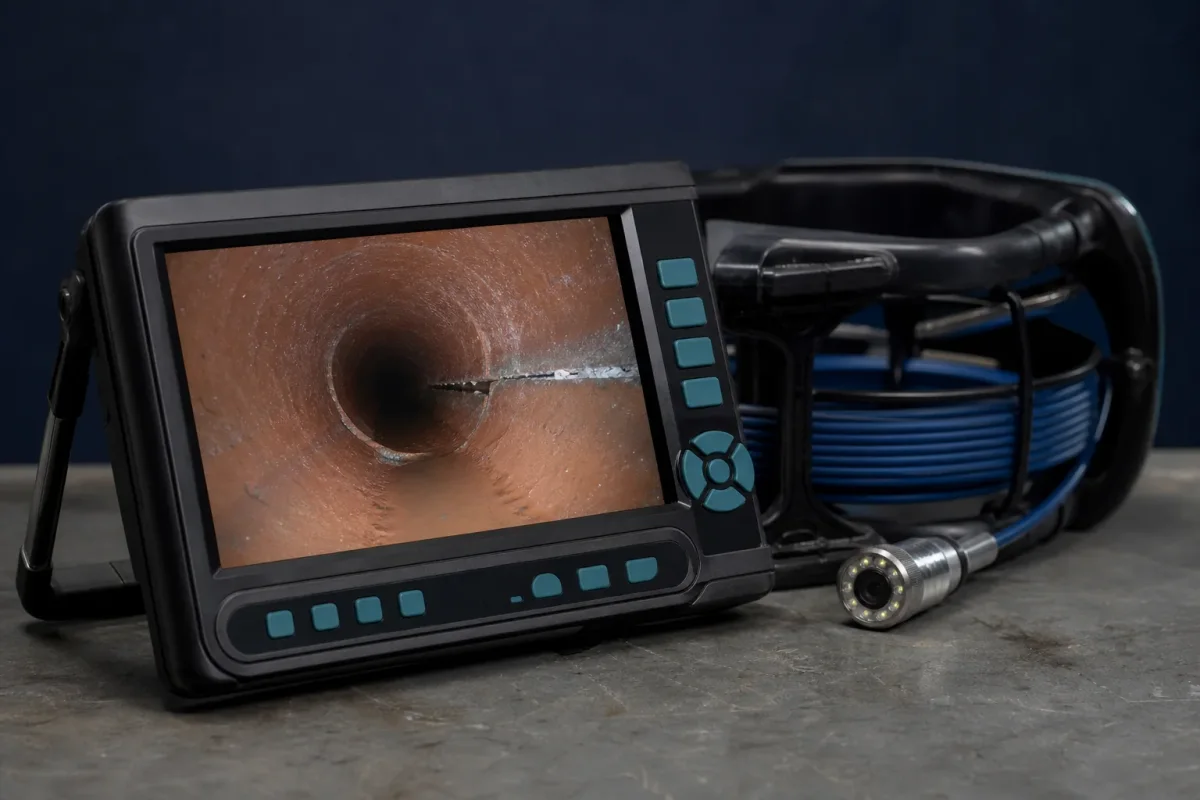
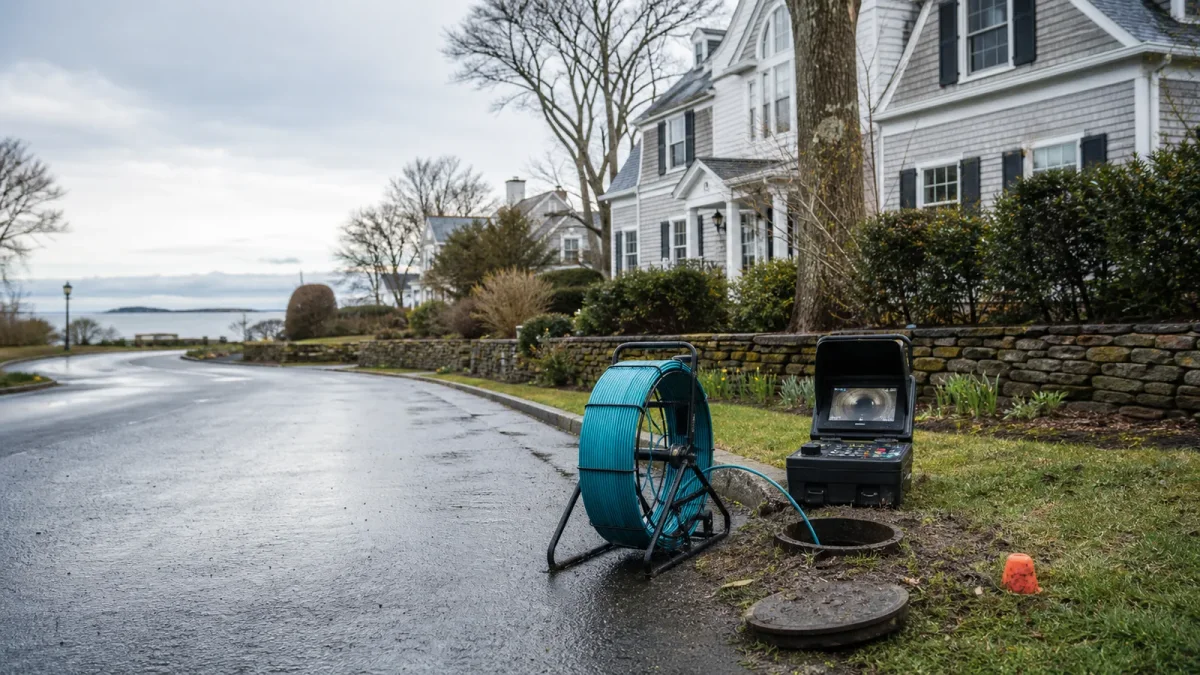
A useful sewer camera inspection records the full reachable route from an identified access point. Material, diameter, transitions, bends, branches, and defect distances help determine whether cleaning, a bounded repair, rehabilitation, or replacement is appropriate. Ask for the recording and a written summary that names any inspection limits.
Roots alone do not describe a complete repair. One root entry point between sound sections creates a different comparison from repeated intrusion along a deteriorated lateral. Similarly, a visible crack is not interchangeable with a collapse that blocks the camera. The proposal should connect its treatment length and method to the actual distribution of defects.
Standing water deserves a separate explanation because rehabilitation does not automatically correct grade. Additional locating or measurements may be necessary to understand the problem. A scope that includes lifting and resetting pipe addresses different work from one that installs a liner along the existing route.
Preparation can be a substantial part of the job
Cleaning is not always a minor preliminary item. Heavy roots, mineral deposits, debris, or corrosion can require several passes and specialized tools before the wall is visible or ready for rehabilitation. The contractor should identify the preparation included and the conditions that would require a revised plan.
Ask whether the initial inspection was performed before or after cleaning. A camera survey through a narrow opening in deposits may not establish the full condition. A prepared-pipe inspection can reveal an offset, fracture, or material transition that changes eligibility for lining.
Debris handling, interior protection, and equipment access also belong in the preparation scope. A cleanout outside beside an open driveway is different from access through a finished basement. The proposal should state where equipment enters, what surfaces need protection, and whether a new access point is included.
Lining and bursting solve different problems
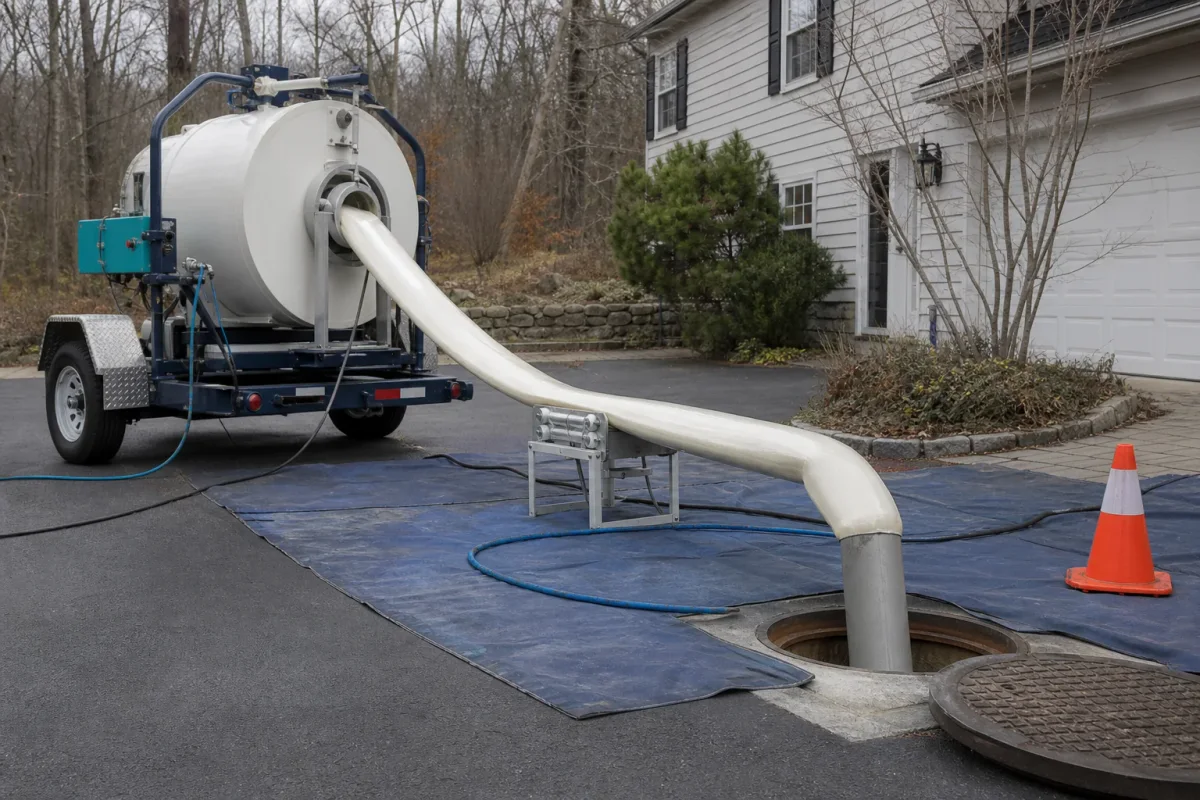
CIPP lining rehabilitates a suitable host route. Its scope can include cleaning, design, liner installation, curing, branch treatment, and closing verification. The existing geometry must support the proposed process, and the plan should explain what happens if preparation reveals a condition that prevents installation.
Pipe bursting installs a replacement pipe through an evaluated pull path. Launch and receiving access, utility clearance, connections, backfill, and surface restoration can all affect the work. Bends and material changes can constrain the method even when replacement is desirable.
Neither method should be priced as an interchangeable product before eligibility is established. Review the lining versus bursting comparison alongside the inspection record. If one contractor rules out a method, ask for the specific finding behind that decision so another proposal can be assessed against the same evidence.
Length and diameter need defined endpoints
A stated treatment length is useful only when its beginning and end are clear. Does the work start at the building exit, an outdoor cleanout, or a point beyond a prior repair? Does it stop before the final connection or include connection work? These boundaries can explain a large difference between apparently similar proposals.
Diameter changes, fittings, and branches can add steps that a simple straight-run description misses. A scope should identify which connections remain active and how they will be protected, reopened, or rebuilt. A longer treatment is not automatically more complete if a critical endpoint remains excluded.
Ask what is known about any segment the camera could not reach. An allowance for uncertain downstream work should be labeled separately from the confirmed scope. That lets the owner see which part of the comparison is evidence-based and which part depends on later investigation.
Depth and access shape excavation and restoration
Even a trenchless project may need excavation for access, a failed fitting, or a preliminary correction. Depth affects how that work can be performed, while adjacent utilities, walls, pavement, and property boundaries can constrain the available work zone. A pit should be shown on a sketch rather than left as an abstract inclusion.
On a landscaped Greenwich property, access may cross planting beds, stone walks, or irrigation. A compact urban lot may instead present staging and sidewalk constraints. These are site questions, not automatic surcharges based on a town name. Ask the contractor to describe the actual feature that affects the work.
Restoration should be specific. Backfilling a pit, compacting the surface, replacing pavement, resetting stone, and replanting a garden are separate tasks. Confirm who performs them, what finish is included, and whether another trade will need to return after the pipe crew leaves.
Permits, service interruption, and site uncertainty
Confirm whether the work affects a public connection, private septic-connected building sewer, shared route, or right of way. Those distinctions change coordination and inspection responsibilities. A proposal should state who confirms the applicable approvals and who provides the final records.
Service interruption also changes the practical scope. Ask when fixtures must remain unused, how occupants will receive notice, and whether temporary arrangements are required. A commercial property may have operating constraints that do not apply to an unoccupied house.
Groundwater, buried obstructions, or an unexpected utility conflict can change access work. The useful response is a defined process for documenting the finding, explaining the options, and authorizing a revised scope. A vague reference to unforeseen conditions gives the owner little basis for evaluating a change later.
Normalize proposals with one comparison sheet
| Item | What both proposals should identify |
|---|---|
| Evidence | Camera file, inspected length, defect map, limitations |
| Preparation | Cleaning method, access preparation, debris handling |
| Treatment | Method, length, dimensions, material, design basis |
| Connections | Branches, transitions, cleanouts, final endpoint |
| Site work | Pit positions, utility coordination, surface protection |
| Restoration | Included finish and responsibility for each surface |
| Closeout | Final video, material records, permits or inspections |
| Changes | Allowances, exclusions, and approval process |
Use this sheet with the broader sewer repair cost planning page and repair or replacement guide. Where proposals differ, ask whether the difference comes from evidence, method eligibility, work boundaries, or an omitted item. That question is more useful than asking for a discount on an undefined scope.
Keep the completion record with the original bid
Before signing, confirm what evidence will demonstrate completion. Closing footage should identify the treated segment and show intended connections open. Retain material and installation records along with any required inspections and the final restoration agreement.
If the method or length changes during work, update the written scope so it matches what was installed. Keep the original inspection too: it explains why the repair was selected and helps future owners distinguish a completed segment from untreated piping.
For an initial review, send the property town, symptoms, existing camera footage, and competing scopes. A clear evidence package supports a meaningful comparison and gives the eventual proposal a defined basis.
Common Questions
Can a camera inspection establish the entire repair cost?
It establishes important pipe evidence, but locating, access, permits, ground conditions, connections, and restoration also affect the scope. Unseen sections should remain explicit uncertainties.
Is lining always less costly than bursting?
No. Eligibility and complete scope come first. Preparation, pits, connection work, and restoration can change the comparison on an individual property.
How should two sewer proposals be compared?
Match the inspected segment, method eligibility, preparation, access, connection work, restoration, verification, and exclusions before comparing totals.